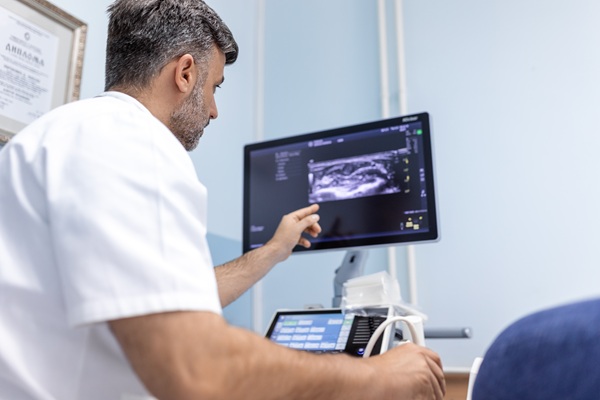
An echocardiogram is a common and painless test that helps doctors evaluate heart health. This test uses sound waves to create images of the heart, allowing cardiologists to examine its structure and function. Many people feel nervous before a medical test, but understanding what to expect can help reduce stress.
What is an echocardiogram?
An echocardiogram is a diagnostic test that uses ultrasound technology to create detailed heart images. These images help doctors assess the size, shape, and movement of the heart, as well as how well the heart valves and chambers function. The test often detects heart conditions such as valve problems, heart failure, or congenital disabilities.
There are different types of this test, including:
- Transthoracic Echocardiogram (TTE). The most common type in which a technician moves a probe over the chest to capture heart images.
- Transesophageal Echocardiogram (TEE). A small probe is passed down the throat to provide clearer images of the heart.
- Stress Echocardiogram. This test is done before and after exercise to evaluate how the heart responds to physical activity.
- Doppler Echocardiogram. This type measures blood flow through the heart and vessels.
How to prepare for the test
Preparation for an echocardiogram depends on the type. For instance, a standard transthoracic echocardiogram requires little to no preparation. Patients may need to wear comfortable clothing and avoid applying lotions or oils to the chest, as these substances can interfere with the ultrasound gel.
For a transesophageal echocardiogram, preparation is more detailed. Patients are usually asked to avoid eating or drinking for several hours before the test. Because a mild sedative is often used, arrangements should be made for transportation home after the procedure.
A stress echocardiogram requires specific preparation as well. Patients should wear comfortable exercise clothing and avoid eating a heavy meal before the test. It is also important to inform the doctor of any medications, as the patient may need to make some adjustments before the test.
What to expect during the test
The experience of an echocardiogram varies based on the type of test. For a transthoracic echocardiogram, patients will lie on an examination table while a technician applies a special gel to the chest. A handheld device called a transducer is moved over the skin to capture images of the heart. The procedure is painless and typically takes 30 to 60 minutes.
For a transesophageal echocardiogram, a numbing spray is applied to the throat before a thin probe is inserted into the esophagus. While the procedure may feel slightly uncomfortable, it is not painful. Sedation is often provided to help patients relax.
During a stress echocardiogram, patients will walk on a treadmill or ride a stationary bike to increase their heart rate. Ultrasound images are taken before and after exercise to evaluate heart function under stress. If a patient is unable to exercise, medication may be given to simulate the effects of physical activity.
After the echocardiogram
Most patients can resume normal activities immediately after a transthoracic or stress echocardiogram. If a transesophageal echocardiogram was performed, patients may need to rest for a short period and avoid eating until the effects of sedation wear off.
Results are usually reviewed by a cardiologist, who will discuss the findings and recommend any necessary next steps.
A simple step for better heart health
An echocardiogram is a safe and effective way to assess heart health. Understanding what to expect can help patients feel more comfortable before the test. By following preparation guidelines and discussing any concerns with a doctor, patients can help ensure a smooth experience and accurate results.
Request an appointment here: https://boyntonbeach.floridapremiercardio.com or call Florida Premier Cardiology at (561) 229-1411 for an appointment in our Boynton Beach office.
Check out what others are saying about our services on Yelp: Read our Yelp reviews.
Recent Posts
For people with cardiovascular issues, it takes a team to help them maintain a high quality of life and reduce the risk of complications. Cardiologists are doctors who specialize in studying and treating disorders of the cardiovascular system. They diagnose and treat chronic cardiovascular conditions, disorders, and diseases that can affect your general health.Chronic cardiovascular…
Coronary stent placement is a treatment for coronary artery disease, a buildup of plaque (fat and cholesterol) around the heart's arteries. Along with angioplasty, a stent helps restore blood flow to the heart, relieving symptoms such as chest pain and shortness of breath and helping prevent a heart attack. The following overview of coronary stent…
Heart disease treatment encompasses a range of interventions, from lifestyle changes and medications to surgical interventions. Individuals can manage their condition and improve their quality of life by working with a cardiologist. Successful heart disease treatment starts with the patient having the information they need to make informed decisions about their health.Also known as cardiovascular…
A heart specialist is a doctor specializing in diagnosing and treating cardiovascular conditions. Patients may be referred to one of these doctors for several reasons, from diagnosing a heart health issue to getting cleared for surgery. However, seeing a heart specialist is even more crucial for those either experiencing the signs of heart disease or…