Frequently Asked Questions About Leg Spider Vein Treatment
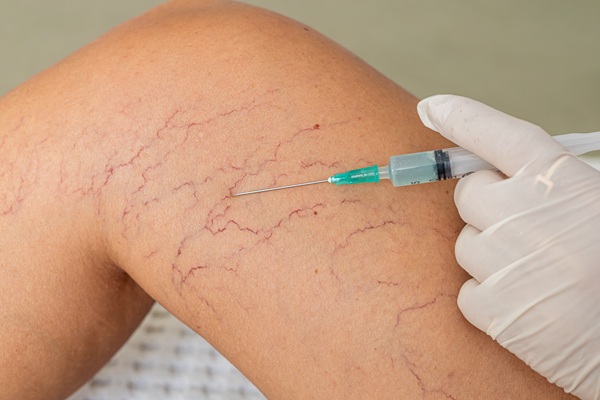
Leg spider vein treatment often starts with a simple question: What causes those small, visible red, blue, or purple lines on the legs? In a family practice or wellness clinic, a nurse practitioner can help patients understand common triggers, discuss treatment options, and review ways to support vein health. Spider veins (telangiectasias) sit close to the skin surface and differ from larger varicose veins, which may bulge and feel rope-like. Here are 5 frequently asked questions about spider veins and treatment options.
What causes spider veins?
Spider veins can develop when tiny surface veins widen over time. Genetics play a major role, and hormone changes during pregnancy or menopause can contribute. Prolonged standing, limited movement, and higher body weight may increase pressure in leg veins. Sun exposure can also affect small vessels, although legs often reflect hormonal and circulation factors more than UV exposure.
Does spider vein treatment hurt?
Most patients describe leg spider vein treatment as tolerable, with mild stinging or burning during certain procedures. Sensation varies based on vein size, skin sensitivity, and the method used. Clinics often use small needles, cooling, or topical numbing strategies when appropriate. After treatment, patients may notice temporary tenderness, redness, or itching, which usually settles with routine aftercare.
What treatments are commonly used?
Clinics may offer several approaches, and a visit should include a review of medical history, medications, pregnancy status, and risk of clotting. Many patients ask which option best fits their vein pattern and schedule.
- Sclerotherapy: A clinician injects a solution that causes the targeted vein to close over time.
- Laser or light-based therapy: Focused energy heats the vessel, causing gradual fading.
- Compression therapy: Specialized stockings support circulation and can reduce the formation of new veins.
A clinician can explain how many sessions to expect and which changes are likely to appear first, helping patients plan realistically.
How long does recovery take?
Recovery after leg spider vein treatment often allows return to normal activities the same day, although the clinic may recommend walking and avoiding strenuous exercise for a short period. Compression stockings often support healing and reduce swelling. Patients should avoid hot tubs, very hot showers, and intense heat exposure for several days when the care plan includes guidance on heat-sensitive skin. Bruising can occur and may last one to two weeks, depending on the individual.
When should a patient seek evaluation?
A medical evaluation matters when symptoms suggest deeper vein issues. New swelling in one leg, calf pain, skin ulcers, or warmth and redness need prompt assessment. Some patients experience aching or heaviness at the end of the day, which can overlap with venous reflux, a condition in which valves in leg veins do not return blood to the heart efficiently. A clinician may recommend an ultrasound when symptoms or exam findings warrant it.
Clear expectations improve satisfaction with leg spider vein treatment. Results often develop gradually over weeks, and new spider veins can appear later, especially when risk factors continue. A clinic visit can also cover movement breaks during long work shifts, weight management support, and the use of compression for travel. With a structured plan and follow-up, leg spider vein treatment can fit into routine wellness care while supporting comfort and confidence. For more information or to schedule an appointment, call our office.
To schedule a consultation, please request an appointment on our website at https://boyntonbeach.floridapremiercardio.com or call Florida Premier Cardiology at (561) 229-1411 to arrange an appointment at our Boynton Beach office.
Check out what others are saying about our services on Yelp: Leg Spider Vein Treatment in Boynton Beach, FL.
Recent Posts
For people with cardiovascular issues, it takes a team to help them maintain a high quality of life and reduce the risk of complications. Cardiologists are doctors who specialize in studying and treating disorders of the cardiovascular system. They diagnose and treat chronic cardiovascular conditions, disorders, and diseases that can affect your general health.Chronic cardiovascular…
Coronary stent placement is a treatment for coronary artery disease, a buildup of plaque (fat and cholesterol) around the heart's arteries. Along with angioplasty, a stent helps restore blood flow to the heart, relieving symptoms such as chest pain and shortness of breath and helping prevent a heart attack. The following overview of coronary stent…
Heart disease treatment encompasses a range of interventions, from lifestyle changes and medications to surgical interventions. Individuals can manage their condition and improve their quality of life by working with a cardiologist. Successful heart disease treatment starts with the patient having the information they need to make informed decisions about their health.Also known as cardiovascular…
A heart specialist is a doctor specializing in diagnosing and treating cardiovascular conditions. Patients may be referred to one of these doctors for several reasons, from diagnosing a heart health issue to getting cleared for surgery. However, seeing a heart specialist is even more crucial for those either experiencing the signs of heart disease or…