What You Need to Know About Heart Disease Treatment from a Cardiologist

Heart disease treatment encompasses a range of interventions, from lifestyle changes and medications to surgical interventions. Individuals can manage their condition and improve their quality of life by working with a cardiologist. Successful heart disease treatment starts with the patient having the information they need to make informed decisions about their health.
What is heart disease?
Also known as cardiovascular disease, heart disease is an umbrella term for a range of conditions affecting the structure and function of the heart and blood vessels. The most common type of disease in the United States is coronary artery disease or CAD, where plaque builds up in the arteries, narrowing the blood supply to the heart. Other forms include heart failure, where the body cannot pump enough blood to meet the body’s needs, and heart valve problems, where blood cannot flow properly.
Getting an accurate diagnosis
Determining the extent and type of cardiovascular disease is the first step in developing a heart disease treatment plan. A cardiologist conducts several tests to assess heart function, including the following:
- Angiogram. Uses dye and X-rays to locate blockages in arteries
- Echocardiogram. Ultrasound to see the structure and function of heart chambers and valves
- Electrocardiogram (ECG). Measures electrical activity of the heart to detect abnormal rhythms
- Stress Tests. Assessing how the heart works during physical exertion
An accurate diagnosis is crucial for developing an individualized treatment plan to treat heart disease successfully.
Components of heart disease treatment
Though each patient is unique, heart disease treatment can involve the following: lifestyle modification, medication, and surgical intervention.
Lifestyle modification
Lifestyle modifications are crucial for successful heart disease treatment and, in some cases, can slow or halt the progression of the disease or reverse it entirely. A cardiologist typically recommends a heart-healthy diet of fruits, vegetables, whole grains, and lean meat in which the patient avoids unhealthy fat, salt, and sugar. In addition to diet, regular physical activity is key, and the doctor can advise the patient on a safe exercise regimen. Management of stress and ceasing bad habits such as smoking and excessive alcohol consumption are also key.
Medications
If lifestyle changes alone are insufficient, a cardiologist may recommend prescription medication. Statins to lower cholesterol are a common medication recommended for heart disease. Other medications include blood thinners to help prevent blood clots that can lead to heart attack or stroke and blood pressure medications to lower stress on the heart. Each medication has its own side effects to consider, and patients should tell their cardiologist about any other physical conditions or medications they are taking.
Surgical intervention
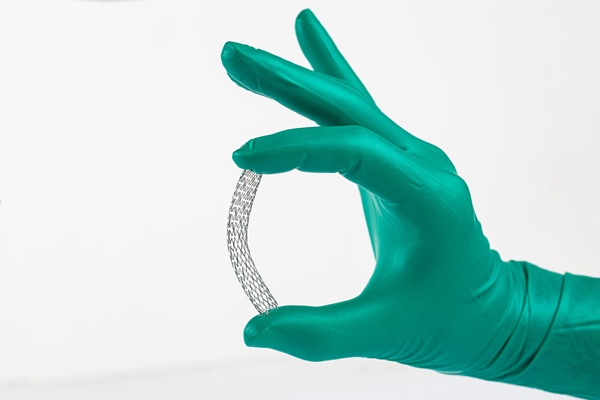
Surgery is generally the next step if lifestyle changes and medications are not enough. Commonly recommended surgical procedures may include the placement of a pacemaker or defibrillator for managing abnormal heart rhythms. If blocked arteries are an issue, the cardiologist may perform an angioplasty and stent placement to open the blocked artery and improve blood flow. Severe cases may call for a coronary artery bypass graft or CABG to reroute blood flow around blocked arteries.
Understanding your options
Dealing with heart disease can be daunting and challenging, but we can help make it easier. Here at Florida Premier Cardiology , we will empower you to make heart-healthy and informed decisions about your health. Call today to learn more about your heart disease treatment options.
Request an appointment here: https://boyntonbeach.floridapremiercardio.com or call Florida Premier Cardiology at (561) 229-1411 for an appointment in our Boynton Beach office.
Check out what others are saying about our services on Yelp: Read our Yelp reviews.
Recent Posts
For people with cardiovascular issues, it takes a team to help them maintain a high quality of life and reduce the risk of complications. Cardiologists are doctors who specialize in studying and treating disorders of the cardiovascular system. They diagnose and treat chronic cardiovascular conditions, disorders, and diseases that can affect your general health.Chronic cardiovascular…
Coronary stent placement is a treatment for coronary artery disease, a buildup of plaque (fat and cholesterol) around the heart's arteries. Along with angioplasty, a stent helps restore blood flow to the heart, relieving symptoms such as chest pain and shortness of breath and helping prevent a heart attack. The following overview of coronary stent…
A heart specialist is a doctor specializing in diagnosing and treating cardiovascular conditions. Patients may be referred to one of these doctors for several reasons, from diagnosing a heart health issue to getting cleared for surgery. However, seeing a heart specialist is even more crucial for those either experiencing the signs of heart disease or…
Cardiologists perform angioplasty to open blocked arteries, specifically those caused by coronary disease. This minimally invasive alternative to open heart surgery can restore proper blood flow to the heart and often reverse the fast track to a heart attack. However, learning when one is necessary is crucial for treatment success.Coronary artery disease (CAD) is a…